
Ethiopia Harvest Update

Ethiopia is one of the most unique coffee origins in the world — not just for its flavour diversity, but for the way coffee is woven into everyday life, agriculture and history. It’s the birthplace of Arabica, home to thousands of landrace varieties, and a landscape where tiny garden plots, family-run washing stations and high-altitude forests coexist. Processing is often done with incredible care, much of it still by hand, and regional profiles can shift dramatically from Kefa’s deep, sweet naturals to Yirgacheffe’s floral washed coffees and Sidama’s vibrant, structured lots. It’s an origin defined by complexity, tradition and community — and one that continues to evolve every harvest.
We just got back from a long, dusty, beautiful loop through Ethiopia — Kaffa, Yirgacheffe, Sidama — and wanted to share what we saw on the ground.

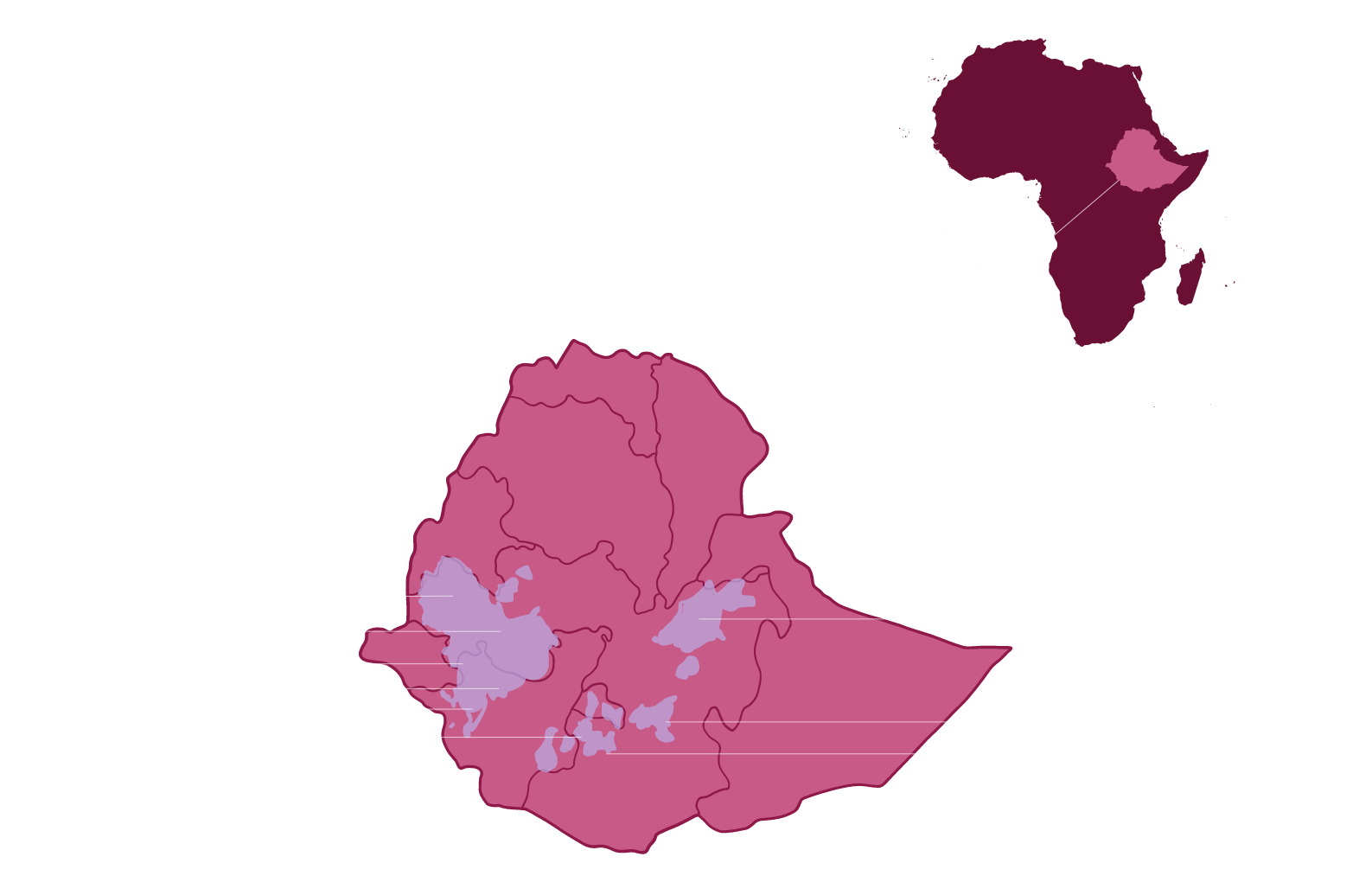
Cherry prices have jumped across all regions, volumes are lower due to last year’s bumper crop, and many producers are being extremely cautious. But the partners we work with are doubling down on the quality of harvest and processing, which means the coffees we’ll secure this year might be fewer, but definitely not weaker.
In Addis, our partner’s team walked us through the economic reality: speculation, tariff rumours and last year’s profits have driven cherry prices up. Some mill owners are even pausing operations because they can’t take the risk. But our partners are present at mills daily, checking moisture, water activity and running their own internal cuppings. Their standards are stricter than official Ethiopian grades, and it really shows in the coffees that reach the table.

Yirgacheffe gave us the same message: expensive cherries, smaller crop — but meticulous processing at the stations we trust. Shishinda, Wush Wush and Habtabu Bora’s sites are producing incredibly clean lots. Habtabu, especially, is pushing experimental honeys and low-oxygen batches that look super promising for fruit-forward, expressive profiles we think roasters will love.
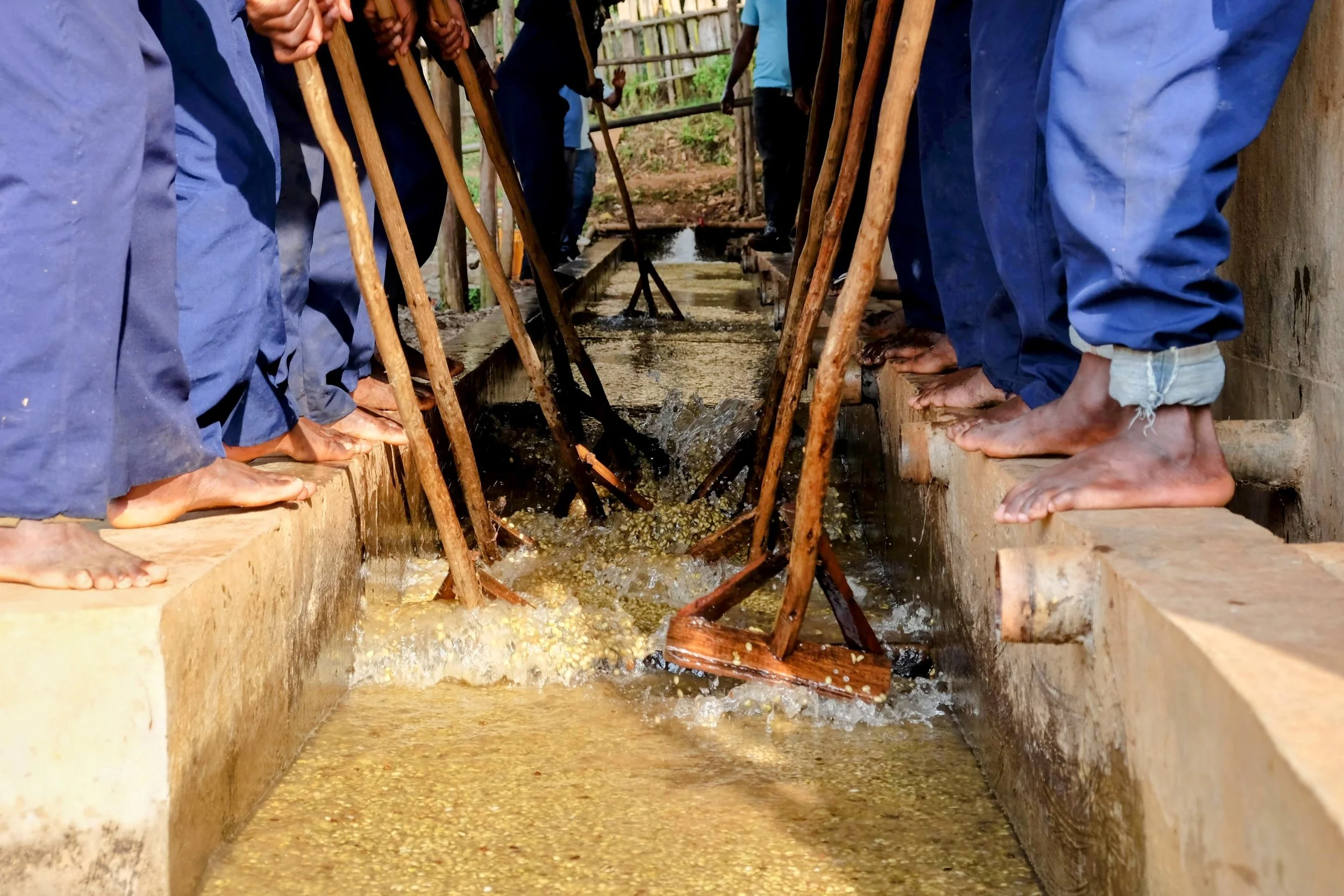
Sidama was the most dramatic region. Some mills simply aren’t operating this year due to the costs, but the ones who are — Wicho, Habeja, Chersi, Bombe, Shantawene, Dembi, Huru Tibro — are investing heavily in sorting and careful drying. Cherry shortages mean slower intake, but the cherries that do arrive are riper and cleaner. Expect some standout G2 lots that overperform.
Overall: less volume, higher competition, but very strong quality from the partners we trust most. We’re lining up washed lots with great clarity, expressive naturals, and experimental microlots produced directly under our partner’s supervision. If you’re planning Ethiopian for 2026, now’s the time to talk — the good coffees will move fast this year.